When it comes to caring for loved ones with Parkinson's or Alzheimer's, smart gadgets can make daily life a lot smoother. These technology aids for Parkinson's and Alzheimer's disease help with everything from medication management to safety and communication. Let’s dive into some of the standout options that can really make a difference.
One great gadget is a smart medication dispenser. These handy devices remind users when it’s time to take their meds and even provide alerts for missed doses. Some models can connect to smartphones, letting caregivers keep track of everything in real-time. No more worrying about missed pills or confusion over med schedules!
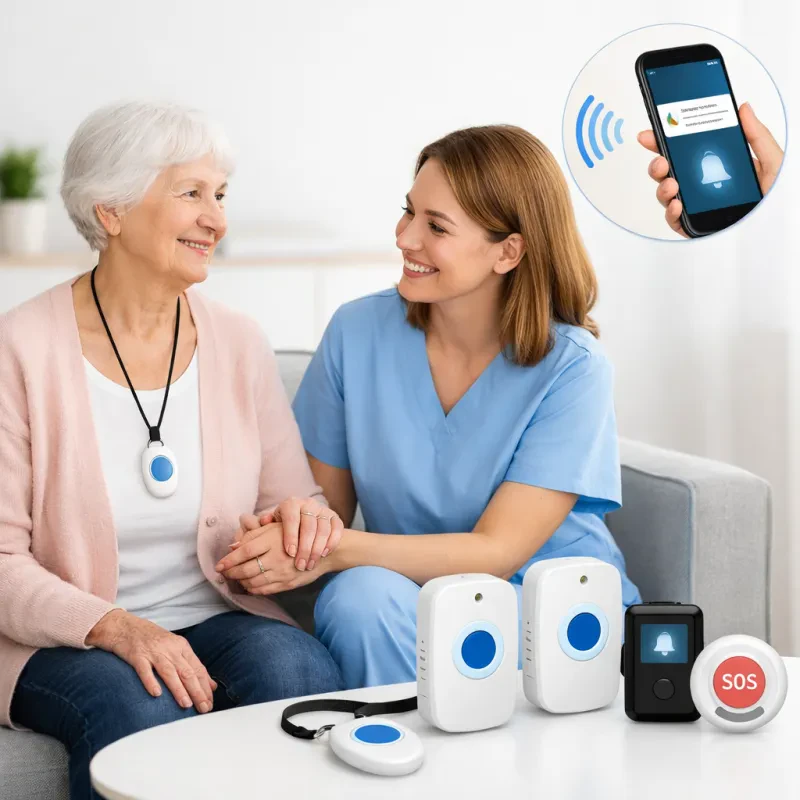
Another essential piece of tech is a personal emergency response system (PERS). These devices offer peace of mind by allowing seniors to call for help at the push of a button. Many wearables come with fall detection, so they can alert emergency services if something goes wrong. Imagine the reassurance this brings to families who can’t always be there.
Smart home technology is also fantastic for enhancing safety. Think about smart lights that turn on automatically at night or door sensors that notify you if someone goes outside. It's all about making the home a safer place while also giving freedom and independence to those living with these conditions.
Finally, don’t overlook video calling devices. Staying connected with family and friends is so important for mental well-being. Easy-to-use screens make it simple to have virtual visits that can brighten someone’s day. Technology aids for Parkinson's and Alzheimer's disease really help by bridging gaps and keeping everyone connected.
Home Safety Tools for Peace of Mind
When it comes to keeping loved ones safe, especially those with Parkinson's or Alzheimer's, the right tools can make a world of difference. Home safety tools are designed to offer peace of mind, ensuring that our family members can navigate their space confidently.
Smart home devices like voice-activated assistants are a great starting point. They can help with reminders, control lights, and manage other connected devices, making daily tasks easier. No more worrying about whether the lights are on or if someone has taken their medicine. This is part of the growing list of Technology Aids For Parkinson's And Alzheimer's Disease, designed specifically to cater to their unique needs.
Another essential is motion-sensor lighting. Placing these lights in hallways or bedrooms helps prevent falls during those late-night trips to the bathroom. They turn on automatically, guiding the way without needing to fumble for a switch. It’s all about creating a safer environment.
Don't overlook fall prevention mats. These soft, cushioned mats can be placed by bedsides or in high-traffic areas to absorb impacts in case of an unexpected fall. They’re practical and provide an extra layer of safety that can ease worries for caregivers.
Every little bit helps when it comes to safety. With the right technology aids in place, not only can we support the independence of those living with Parkinson's and Alzheimer's, but we can also enjoy some well-deserved peace of mind ourselves.

Atul Gawande Books Set: Health and Safety Insights
Discover practical advice and strategies for enhancing health and safety at home
Product information
$74.99
Product Review Score
4.52 out of 5 stars
46 reviewsProduct links
Wearable Devices for Health Monitoring
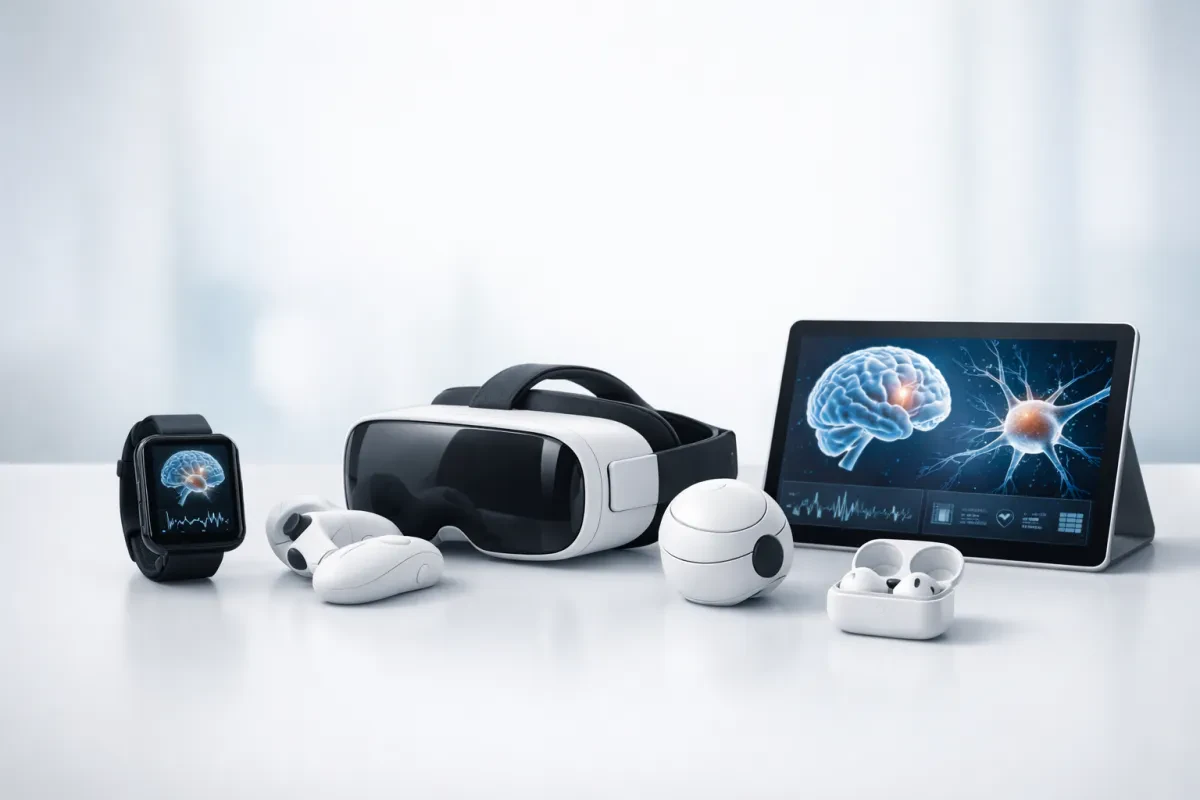
Wearable devices can be game-changers for individuals dealing with Parkinson's and Alzheimer's disease. These little gadgets keep track of health stats and provide a way to monitor daily activities, making them perfect for anyone who wants to stay connected and safe.
Imagine having a smartwatch that not only tells the time but also tracks your heart rate and sleep patterns. Many wearable devices come equipped with features like fall detection, which can alert caregivers if someone has taken a tumble. This is particularly helpful for seniors, giving family members peace of mind when they're not around.
Some wearables also come with medication reminders. They can buzz or send a notification to make sure that important meds are taken on time. This is especially important for individuals managing multiple prescriptions, ensuring they don’t miss a dose.
With the help of these devices, monitoring changes in health can be more straightforward. Some smartwatches even allow you to share your data with healthcare providers, making it easier for them to assess your health and adjust treatments as needed.
All in all, wearable devices are fantastic technology aids for Parkinson's and Alzheimer's disease. They help individuals stay active and alert while providing caregivers with the tools they need for better support.
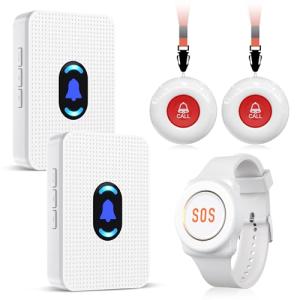
Daytech Caregiver Pager Button for Seniors and Patients
Stay connected with loved ones and ensure help is just a button press away
Product information
$49.99
Product Review Score
4.75 out of 5 stars
158 reviewsProduct links
Voice Assistants for Easy Communication
Voice assistants are a game changer for those navigating Parkinson's and Alzheimer's. These handy devices let you control your home and stay connected just by using your voice. Imagine being able to turn on the lights, set reminders, or even make phone calls without needing to fumble for buttons or screens. It's all about making life easier and more enjoyable.
With voice assistants like Amazon Alexa or Google Assistant, you can create a comfortable environment for seniors. They can ask for help, find information, or play their favorite music, which helps lift their mood. Plus, family members can stay in touch easily. They can send reminders or check in, giving everyone peace of mind.
These technology aids for Parkinson's and Alzheimer's disease not only provide communication benefits but also empower independence. Setting up a smart home system with voice control means that your loved one can maintain a sense of control over their daily routine. It’s about having the simple things, like adjusting the thermostat, all available through a friendly chat with their voice assistant.
Choosing the right voice assistant also matters. Look for devices that are user-friendly and have clear sound quality. A little research can go a long way in finding the perfect fit for your needs. Once it’s set up, you’ll see how these amazing tools can enhance daily life and help bridge any communication gaps.
When it comes to caring for loved ones with Parkinson's or Alzheimer's, smart gadgets can make daily life a lot smoother. These technology aids for Parkinson's and Alzheimer's disease help with everything from medication management to safety and communication. Let’s dive into some of the standout options that can really make a difference.
One great gadget is a smart medication dispenser. These handy devices remind users when it’s time to take their meds and even provide alerts for missed doses. Some models can connect to smartphones, letting caregivers keep track of everything in real-time. No more worrying about missed pills or confusion over med schedules!
Another essential piece of tech is a personal emergency response system (PERS). These devices offer peace of mind by allowing seniors to call for help at the push of a button. Many wearables come with fall detection, so they can alert emergency services if something goes wrong. Imagine the reassurance this brings to families who can’t always be there.
Smart home technology is also fantastic for enhancing safety. Think about smart lights that turn on automatically at night or door sensors that notify you if someone goes outside. It's all about making the home a safer place while also giving freedom and independence to those living with these conditions.
Finally, don’t overlook video calling devices. Staying connected with family and friends is so important for mental well-being. Easy-to-use screens make it simple to have virtual visits that can brighten someone’s day. Technology aids for Parkinson's and Alzheimer's disease really help by bridging gaps and keeping everyone connected.
Home Safety Tools for Peace of Mind
When it comes to keeping loved ones safe, especially those with Parkinson's or Alzheimer's, the right tools can make a world of difference. Home safety tools are designed to offer peace of mind, ensuring that our family members can navigate their space confidently.
Smart home devices like voice-activated assistants are a great starting point. They can help with reminders, control lights, and manage other connected devices, making daily tasks easier. No more worrying about whether the lights are on or if someone has taken their medicine. This is part of the growing list of Technology Aids For Parkinson's And Alzheimer's Disease, designed specifically to cater to their unique needs.
Another essential is motion-sensor lighting. Placing these lights in hallways or bedrooms helps prevent falls during those late-night trips to the bathroom. They turn on automatically, guiding the way without needing to fumble for a switch. It’s all about creating a safer environment.
Don't overlook fall prevention mats. These soft, cushioned mats can be placed by bedsides or in high-traffic areas to absorb impacts in case of an unexpected fall. They’re practical and provide an extra layer of safety that can ease worries for caregivers.
Every little bit helps when it comes to safety. With the right technology aids in place, not only can we support the independence of those living with Parkinson's and Alzheimer's, but we can also enjoy some well-deserved peace of mind ourselves.
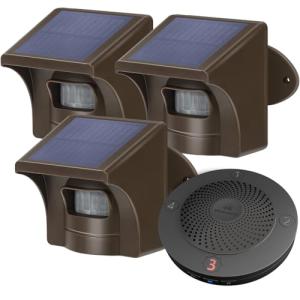
CallToU Wireless Caregiver Alert System for Home
Stay connected with your loved ones and ensure their safety at home with this easy-to-use caregiver alert system
Product information
$49.99 $44.99
Product Review Score
4.73 out of 5 stars
61 reviewsProduct links
Wearable Devices for Health Monitoring
Wearable devices can be game-changers for individuals dealing with Parkinson's and Alzheimer's disease. These little gadgets keep track of health stats and provide a way to monitor daily activities, making them perfect for anyone who wants to stay connected and safe.
Imagine having a smartwatch that not only tells the time but also tracks your heart rate and sleep patterns. Many wearable devices come equipped with features like fall detection, which can alert caregivers if someone has taken a tumble. This is particularly helpful for seniors, giving family members peace of mind when they're not around.
Some wearables also come with medication reminders. They can buzz or send a notification to make sure that important meds are taken on time. This is especially important for individuals managing multiple prescriptions, ensuring they don’t miss a dose.
With the help of these devices, monitoring changes in health can be more straightforward. Some smartwatches even allow you to share your data with healthcare providers, making it easier for them to assess your health and adjust treatments as needed.
All in all, wearable devices are fantastic technology aids for Parkinson's and Alzheimer's disease. They help individuals stay active and alert while providing caregivers with the tools they need for better support.
Voice Assistants for Easy Communication
Voice assistants are a game changer for those navigating Parkinson's and Alzheimer's. These handy devices let you control your home and stay connected just by using your voice. Imagine being able to turn on the lights, set reminders, or even make phone calls without needing to fumble for buttons or screens. It's all about making life easier and more enjoyable.
With voice assistants like Amazon Alexa or Google Assistant, you can create a comfortable environment for seniors. They can ask for help, find information, or play their favorite music, which helps lift their mood. Plus, family members can stay in touch easily. They can send reminders or check in, giving everyone peace of mind.
These technology aids for Parkinson's and Alzheimer's disease not only provide communication benefits but also empower independence. Setting up a smart home system with voice control means that your loved one can maintain a sense of control over their daily routine. It’s about having the simple things, like adjusting the thermostat, all available through a friendly chat with their voice assistant.
Choosing the right voice assistant also matters. Look for devices that are user-friendly and have clear sound quality. A little research can go a long way in finding the perfect fit for your needs. Once it’s set up, you’ll see how these amazing tools can enhance daily life and help bridge any communication gaps.